
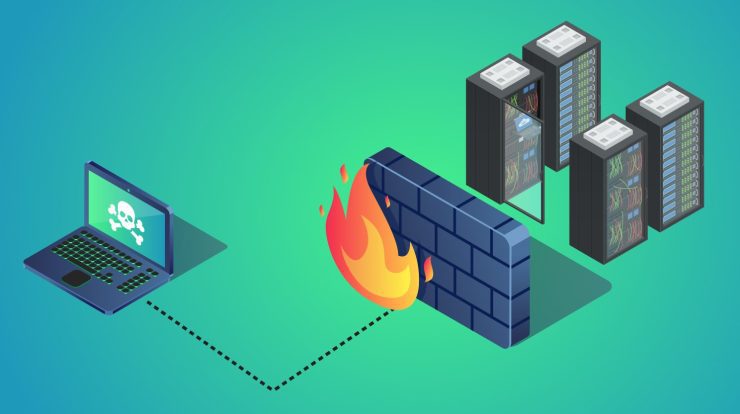
In today’s digital world, cybersecurity is no longer optional—it’s essential. Whether you’re running a personal computer, a small business network, or a large enterprise infrastructure, protecting your systems from unauthorized access and malicious threats is critical. One of the most fundamental tools for achieving this protection is the firewall.
Firewalls act as gatekeepers, monitoring and controlling incoming and outgoing network traffic based on predetermined security rules. However, not all firewalls are the same. Broadly speaking, they fall into two main categories: hardware firewalls and software firewalls. Each type serves a similar purpose but operates differently, offering unique advantages and trade-offs.
This blog post explores what hardware and software firewalls are, how they work, their key differences, advantages, disadvantages, and how to decide which one is right for your needs.
What Is a Firewall?
Before diving into comparisons, it’s important to understand what a firewall actually does. A firewall is a security system designed to prevent unauthorized access to or from a private network. It can be implemented as hardware, software, or a combination of both.
Firewalls inspect data packets—small chunks of data transmitted over networks—and decide whether to allow or block them based on a set of rules. These rules can be based on IP addresses, domain names, protocols, ports, or even the content of the data itself.
Firewalls are your first line of defense against threats like hackers, malware, ransomware, and unauthorized data access.
What Is a Hardware Firewall?
A hardware firewall is a physical device that sits between your network and the internet. It is typically installed at the perimeter of a network—such as between your router and modem or integrated into a router itself.
Hardware firewalls are commonly used in business environments, but many home routers also include basic firewall functionality.
How Hardware Firewalls Work
Hardware firewalls filter traffic before it reaches your internal network. When data packets arrive from the internet, the firewall examines them and determines whether they should be allowed through based on its rules.
Because it operates outside of individual computers, it protects all devices connected to the network, including computers, smartphones, IoT devices, and servers.
Advantages of Hardware Firewalls
Network-Wide Protection
One of the biggest strengths of a hardware firewall is that it protects every device on the network. You don’t need to install anything on individual machines.
Performance Efficiency
Since hardware firewalls operate independently of your computers, they do not consume system resources like CPU or memory. This ensures that your devices can run efficiently without added overhead.
Strong Perimeter Security
Hardware firewalls act as a strong barrier between your internal network and external threats. They can block attacks before they even reach your devices.
Ideal for Businesses
For organizations with multiple users and devices, hardware firewalls provide centralized security management and consistent protection.
Reduced Risk of Tampering
Because they are separate physical devices, hardware firewalls are less vulnerable to being disabled by malware compared to software firewalls.
Disadvantages of Hardware Firewalls
Cost
Hardware firewalls can be expensive, especially advanced models designed for enterprise use. There is also the cost of maintenance and updates.
Complexity
Setting up and configuring a hardware firewall often requires technical expertise. Misconfiguration can lead to vulnerabilities or blocked legitimate traffic.
Limited Protection for Internal Threats
Hardware firewalls primarily protect against external threats. If a threat originates within the network (e.g., from an infected device), the firewall may not detect or stop it.
Less Customization Per Device
Since the firewall operates at the network level, it cannot always provide fine-grained control for individual devices or users.
What Is a Software Firewall?
A software firewall is an application installed on a computer or server. It monitors and controls network traffic for that specific device.
Most modern operating systems, such as Windows, macOS, and Linux, come with built-in software firewalls. Additionally, there are third-party firewall programs that offer advanced features.
How Software Firewalls Work
Software firewalls operate at the device level. They analyze incoming and outgoing traffic and apply rules based on applications, ports, protocols, and user-defined settings.
They can also monitor which applications are trying to access the internet and block suspicious behavior.
Advantages of Software Firewalls
Device-Level Control
Software firewalls provide granular control over individual devices. You can define rules for specific applications, users, or types of traffic.
Easy Installation and Use
Most software firewalls are easy to install and configure, especially built-in options that come preconfigured with operating systems.
Cost-Effective
Many software firewalls are free or included with your operating system, making them accessible to individuals and small businesses.
Protection Against Internal Threats
Because they operate on individual devices, software firewalls can detect suspicious activity originating from within the system.
Customizable Security Rules
Users can create highly specific rules tailored to their needs, such as blocking certain apps or restricting network access at certain times.
Disadvantages of Software Firewalls
Resource Usage
Software firewalls consume system resources such as CPU and memory, which can impact performance—especially on older machines.
Limited Scope
A software firewall only protects the device it is installed on. Other devices on the network remain unprotected unless they also have firewalls installed.
Vulnerability to Malware
If a system becomes infected, malware may attempt to disable or bypass the software firewall.
Management Challenges
In larger environments, managing software firewalls across many devices can become time-consuming and complex.
Key Differences Between Hardware and Software Firewalls
Understanding the core differences helps clarify when to use each type.
Deployment Location
Hardware firewalls sit at the network perimeter, while software firewalls operate on individual devices.
Scope of Protection
Hardware firewalls protect entire networks. Software firewalls protect single devices.
Performance Impact
Hardware firewalls have minimal impact on device performance. Software firewalls use system resources.
Cost Structure
Hardware firewalls require upfront investment. Software firewalls are often free or low-cost.
Customization
Software firewalls offer more granular, device-specific control. Hardware firewalls provide broader, network-level rules.
Security Coverage
Hardware firewalls are strong against external threats. Software firewalls are better at detecting internal or application-level threats.
When to Use a Hardware Firewall
A hardware firewall is the right choice in scenarios where network-wide security is essential.
Business Environments
Companies with multiple users, devices, and servers benefit greatly from centralized protection.
Home Networks with Many Devices
If you have smart home devices, gaming consoles, and multiple computers, a hardware firewall can provide a strong first line of defense.
High-Security Needs
Organizations handling sensitive data—such as financial institutions or healthcare providers—often rely on hardware firewalls for robust perimeter security.
When to Use a Software Firewall
Software firewalls are ideal for situations where device-level protection is needed.
Personal Computers
For individual users, a software firewall provides sufficient protection against most threats.
Remote Workers
Devices that frequently connect to different networks (like laptops) benefit from software firewalls since they provide protection regardless of location.
Application-Specific Control
If you need to control which programs can access the internet, a software firewall is the better option.
Why Using Both Is Often the Best Approach
Rather than choosing one over the other, many experts recommend using both hardware and software firewalls together. This layered approach is known as “defense in depth.”
Layered Security Benefits
A hardware firewall blocks threats at the network level before they reach devices. A software firewall adds an extra layer of protection by monitoring activity within each device.
Reduced Risk
If one layer fails or is bypassed, the other can still provide protection.
Comprehensive Coverage
Combining both types ensures protection against both external attacks and internal threats.
Real-World Example
Imagine a small business with ten employees. The company installs a hardware firewall at the network gateway to block malicious traffic from the internet. Each employee’s computer also runs a software firewall.
If a hacker tries to access the network, the hardware firewall blocks the attempt. If an employee accidentally downloads malware, the software firewall can detect suspicious behavior and prevent it from spreading.
This dual-layer approach significantly enhances overall security.
Future Trends in Firewall Technology
Firewalls continue to evolve as cyber threats become more sophisticated.
Next-Generation Firewalls (NGFW)
Modern hardware firewalls now include advanced features like deep packet inspection, intrusion prevention systems (IPS), and application awareness.
Cloud-Based Firewalls
With the rise of cloud computing, many organizations are moving toward cloud-based firewall solutions that provide scalable and flexible security.
AI and Machine Learning
Firewalls are increasingly using artificial intelligence to detect unusual patterns and respond to threats in real time.
Final Thoughts
Both hardware and software firewalls play critical roles in modern cybersecurity. While they serve the same fundamental purpose—protecting systems from unauthorized access—they do so in different ways.
Hardware firewalls excel at providing broad, network-level protection and are essential for businesses and complex environments. Software firewalls, on the other hand, offer detailed control and protection at the individual device level.
For most users, the best solution isn’t choosing one over the other but combining both to create a layered defense strategy. This approach ensures that your network is protected from multiple angles, reducing the risk of breaches and keeping your data secure.
In an era where cyber threats are constantly evolving, investing in the right firewall strategy is not just a technical decision—it’s a necessity for safeguarding your digital life.

With 23+ years in the Web Hosting Industry, Brian has had the opportunity to design websites for some of the largest companies in the industry. Brian currently holds the position as Co-Founder and Creative Director at WebHosting,coop Internet Cooperative