
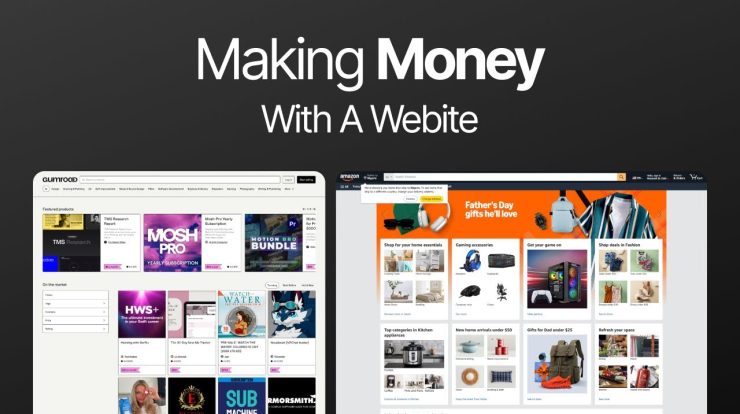
Making money with a website is one of the most accessible ways to build income in today’s digital economy. Whether you’re running a personal blog, a niche content site, or a full-scale online business, your website can become a powerful revenue-generating asset. The key is understanding that there isn’t just one way to monetize a website—there are many, and the most successful site owners often combine several strategies to create multiple streams of income.
The Foundation: Traffic and Value
Before diving into monetization methods, it’s important to understand what makes a website profitable. At its core, a successful website attracts visitors and provides them with value. That value could be information, entertainment, tools, or products. The more targeted and engaged your audience is, the easier it becomes to generate income.
Traffic alone isn’t enough. A website with 1,000 loyal visitors who trust your content can often earn more than one with 50,000 random visitors who leave immediately. Building trust and authority in your niche is what turns visitors into customers.
Display Advertising
One of the most common ways to make money with a website is through display advertising. Platforms like Google AdSense allow you to place ads on your site and earn revenue based on impressions or clicks.
Display ads are easy to set up and require minimal maintenance, making them ideal for beginners. Once your site is approved, ads are automatically shown to your visitors, and you earn money whenever someone interacts with them.
However, this method typically requires a significant amount of traffic to generate substantial income. Websites in high-paying niches like finance or technology tend to earn more per click than those in general categories.
Affiliate Marketing
Affiliate marketing is one of the most powerful and scalable ways to monetize a website. It involves promoting products or services and earning a commission for every sale made through your referral link.
Programs like Amazon Associates make it easy to get started. You can recommend products in blog posts, reviews, or tutorials, and include your affiliate links naturally within your content.
The key to success with affiliate marketing is authenticity. Visitors are more likely to trust recommendations that feel genuine and helpful rather than overly promotional. High-quality content, such as in-depth reviews or comparison articles, tends to perform especially well.
Selling Digital Products
Creating and selling digital products is another highly profitable strategy. Unlike physical products, digital goods can be sold repeatedly without additional production costs.
Examples of digital products include eBooks, online courses, templates, and downloadable guides. If your website focuses on a specific niche, you can create products tailored to your audience’s needs.
Platforms like Gumroad make it easy to sell and deliver digital products directly to your customers. This approach allows you to retain more control over pricing and branding while maximizing profit margins.
Offering Online Courses
If you have expertise in a particular area, creating an online course can be a lucrative way to monetize your website. Courses allow you to package your knowledge into a structured format and sell it to people who want to learn.
Websites built on platforms like Teachable enable you to host and manage your courses with ease. You can include video lessons, quizzes, and downloadable resources to enhance the learning experience.
Online courses often command higher prices than other digital products, especially if they provide clear, actionable results for students.
Membership and Subscription Models
Another effective way to generate recurring income is through memberships or subscriptions. Instead of relying on one-time purchases, you create a steady stream of revenue by offering exclusive content or services to paying members.
This could include premium articles, private communities, or access to special tools. Platforms like Patreon allow creators to build a subscription-based audience and offer tiered benefits.
The advantage of this model is predictability. Recurring revenue makes it easier to plan and grow your business over time.
Selling Physical Products
E-commerce is another popular monetization method. If you have a brand or a niche audience, you can sell physical products directly through your website.
This could include merchandise, handmade items, or curated products related to your content. Tools like Shopify make it simple to set up an online store, manage inventory, and process payments.
While this approach requires more logistics than digital products, it also opens up opportunities for higher revenue and brand building.
Sponsored Content
As your website grows, brands may approach you to create sponsored content. This involves writing articles, reviews, or posts that promote a company’s product or service in exchange for payment.
Sponsored content can be highly profitable, especially if you have a strong and engaged audience. However, it’s important to maintain transparency and only promote products that align with your values and audience interests.
Trust is your most valuable asset, and maintaining it should always be a priority.
Freelance Services
Your website can also serve as a platform to showcase your skills and attract clients. Whether you’re a writer, designer, developer, or marketer, you can use your site to offer freelance services.
By publishing high-quality content and case studies, you demonstrate your expertise and build credibility. Visitors who are impressed with your work may reach out to hire you directly.
This method is particularly effective for service-based professionals who want to use their website as a lead generation tool.
Email Marketing and Funnels
Email marketing is one of the most underrated ways to make money with a website. By building an email list, you create a direct line of communication with your audience.
Tools like Mailchimp allow you to collect email addresses, send newsletters, and create automated sales funnels. You can promote products, share valuable content, and nurture relationships with your subscribers.
An engaged email list can significantly increase your conversions, making it a powerful complement to other monetization strategies.
Selling Website Flipping
Another interesting approach is building and selling websites for profit. This process, known as website flipping, involves creating a site, growing its traffic and revenue, and then selling it at a higher value.
Marketplaces like Flippa connect buyers and sellers, making it easier to find opportunities. Websites are often valued based on their monthly income, so increasing your revenue streams can significantly boost your selling price.
This method requires patience and strategy but can result in substantial payouts.
Creating a SaaS or Tool
If you have technical skills, you can develop a software tool or service that solves a specific problem for your audience. This is often referred to as Software as a Service (SaaS).
For example, you might create a tool that helps users optimize their websites, manage content, or analyze data. Once developed, you can charge users a subscription fee to access your service.
This approach can be highly scalable and profitable, especially if your tool addresses a real need in your niche.
Donations and Crowdfunding
Some websites generate income through donations or crowdfunding. This method works particularly well for content creators who provide value without charging directly for access.
Platforms like Ko-fi allow visitors to support your work with one-time or recurring contributions. While this approach may not generate large amounts of income initially, it can be a meaningful way to monetize a loyal audience.
Combining Multiple Income Streams
The most successful websites rarely rely on a single monetization method. Instead, they combine several strategies to maximize revenue and reduce risk.
For example, a blog might use display ads, affiliate marketing, and digital product sales simultaneously. An e-commerce site might also offer subscriptions or upsells to increase customer lifetime value.
Diversifying your income streams not only increases your earning potential but also provides stability if one method underperforms.
The Importance of Consistency
Making money with a website doesn’t happen overnight. It requires consistent effort, content creation, and audience building. Many people give up too early because they expect immediate results.
The reality is that successful websites are built over time. By focusing on providing value, improving your content, and experimenting with different monetization methods, you can gradually increase your income.
Understanding Your Audience
One of the most important factors in monetization is understanding your audience. What are their needs, challenges, and interests? What kind of products or services would genuinely help them?
By answering these questions, you can choose monetization strategies that align with your audience’s preferences. This not only improves your chances of success but also enhances the overall user experience.
Final Thoughts
Making money with a website is not limited to one path. From advertising and affiliate marketing to selling products and services, there are countless ways to turn your site into a source of income. The key is to start with a solid foundation, focus on providing value, and explore different strategies to find what works best for you.
With patience, creativity, and consistency, your website can evolve from a simple online presence into a powerful income-generating platform.
Making money with a website is one of the most accessible ways to build income in today’s digital economy. Whether you’re running a personal blog, a niche content site, or a full-scale online business, your website can become a powerful revenue-generating asset. The key is understanding that there isn’t just one way to monetize a website—there are many, and the most successful site owners often combine several strategies to create multiple streams of income.

With 23+ years in the Web Hosting Industry, Brian has had the opportunity to design websites for some of the largest companies in the industry. Brian currently holds the position as Co-Founder and Creative Director at WebHosting,coop Internet Cooperative