
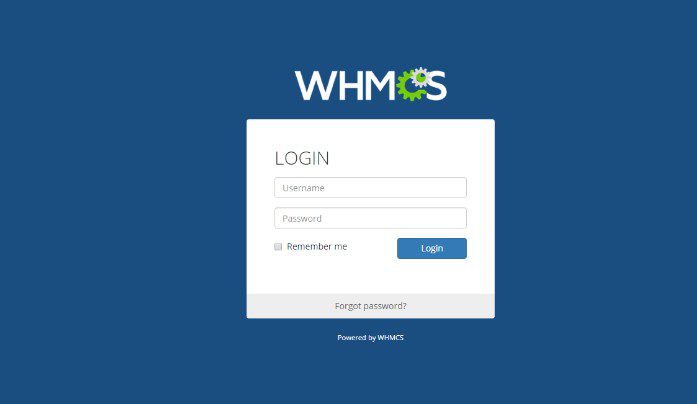
WHMCS Explained: A Complete Guide to Its Features and Advantages for Web Hosting Businesses
Introduction
In the modern web hosting industry, efficiency is everything. As businesses grow, the complexity of managing customers, billing cycles, support requests, and server infrastructure increases dramatically. Handling all of these elements manually is not only time-consuming but also prone to costly errors. This is where WHMCS becomes an essential tool.
WHMCS, short for Web Host Manager Complete Solution, is a powerful all-in-one platform designed to automate and streamline the operations of hosting companies and digital service providers. It combines multiple critical business functions into a single system, allowing providers to focus on growth rather than repetitive administrative tasks.
This article explores how WHMCS works and examines the many advantages it offers to businesses in the hosting space.
What WHMCS Is and How It Works
WHMCS is a web-based platform that acts as the operational core of a hosting business. It integrates client management, billing, domain services, customer support, and server automation into one unified interface. Instead of relying on separate systems for each function, businesses can manage everything from a central dashboard.
When a customer places an order, WHMCS handles the entire process automatically. The system is designed to:
- Process the customer’s payment securely
- Provision the hosting account instantly
- Generate and send invoices
- Deliver login credentials to the client
- Track the entire service lifecycle
The platform integrates with widely used control panels such as cPanel and Plesk, enabling automatic account creation and server management. This tight integration ensures that hosting services can be deployed quickly and reliably.
Automation as a Core Advantage
One of the most significant advantages of WHMCS is its ability to automate nearly every aspect of a hosting business. Tasks that would traditionally require manual effort are handled seamlessly by the platform.
With WHMCS, automation includes:
- Creating hosting accounts after purchase
- Sending invoices and payment reminders
- Managing renewals and recurring billing
- Suspending or reactivating accounts based on payment status
This level of automation reduces workload, improves efficiency, and minimizes the risk of human error. It allows businesses to operate smoothly even with limited staff.
Enhancing the Customer Experience
WHMCS plays a major role in improving the overall customer experience by providing a smooth and professional journey from start to finish.
Customers benefit from features such as:
- Easy service browsing and ordering
- Instant account activation
- A dedicated client portal for managing services
- Built-in support ticket access
This self-service capability increases convenience while reducing the number of support requests. The result is a more efficient system that benefits both the customer and the business.
Centralized Business Management
Running a hosting business often involves juggling multiple tools. WHMCS eliminates this complexity by bringing everything together in one place.
With centralized management, you can:
- Monitor customer accounts and activity
- Manage billing and invoices
- Handle support tickets efficiently
- Control hosting and domain services
This unified approach simplifies operations and reduces the need for additional software.
Scalability and Growth Potential
As your hosting business grows, your systems need to keep up. WHMCS is built to scale, allowing businesses to expand without changing platforms.
Its scalability includes the ability to:
- Manage a growing number of clients
- Handle increased transaction volume
- Support multiple servers and hosting plans
This makes WHMCS a long-term solution for businesses aiming to grow sustainably.
Integration with Industry Tools
WHMCS integrates with a wide range of industry tools, making it highly flexible and adaptable.
Key integrations include:
- cPanel for server and account management
- Plesk for hosting automation
- Payment gateways for secure transactions
- Domain registrars for domain services
These integrations allow businesses to create a seamless and efficient hosting ecosystem.
Increasing Revenue Opportunities
WHMCS not only manages operations but also helps increase revenue through automation and upselling.
Revenue-enhancing features include:
- Offering add-ons such as SSL certificates and backups
- Upselling higher-tier hosting plans
- Automating renewals to prevent missed payments
- Streamlining the checkout process
These features make it easier to maximize income while providing value to customers.
Saving Time and Improving Efficiency
Time savings is one of the most immediate benefits of using WHMCS. By automating repetitive processes, the platform allows businesses to focus on more strategic activities.
Efficiency improvements include:
- Eliminating manual account setup
- Reducing administrative workload
- Streamlining customer management
- Automating communication and notifications
This increased efficiency is especially valuable for small teams and solo entrepreneurs.
Accuracy and Reliability
Manual systems often lead to mistakes, particularly in billing and service management. WHMCS improves accuracy by standardizing processes.
The platform ensures:
- Correct invoice generation
- Consistent payment tracking
- Reliable account provisioning
- Accurate service management
This reliability enhances both internal operations and customer satisfaction.
Security and Protection
Security is a critical aspect of any hosting business, and WHMCS includes built-in features to protect data and transactions.
Security capabilities include:
- Secure payment processing
- Fraud detection tools
- Two-factor authentication
- Protection against unauthorized access
These features help safeguard both the business and its customers.
Customization and Flexibility
Every hosting business has unique requirements, and WHMCS provides the flexibility to adapt.
Customization options allow you to:
- Modify templates and design
- Create custom hosting packages
- Adjust workflows and automation rules
- Tailor the platform to your business model
This ensures that WHMCS fits your needs rather than forcing you to adapt to rigid systems.
Real-World Application
To see WHMCS in action, consider a typical customer purchase. When a user orders a hosting plan, the platform immediately processes the request and performs several actions automatically.
These actions include:
- Processing the payment
- Creating the hosting account via cPanel
- Sending login credentials to the customer
- Generating and recording the invoice
All of this happens within seconds, demonstrating the efficiency and professionalism of the system.
Challenges and Considerations
While WHMCS offers many advantages, it is important to understand potential challenges.
Some considerations include:
- A learning curve for new users
- Licensing and operational costs
- Occasional need for customization or technical setup
Despite these factors, most businesses find that the benefits far outweigh the drawbacks.
The Future of Hosting Automation
Automation is becoming increasingly important in the web hosting industry. Businesses that rely on manual processes will find it difficult to compete in a fast-paced digital environment.
WHMCS continues to evolve by:
- Adding new integrations
- Enhancing security features
- Improving user experience
These ongoing improvements ensure that it remains a relevant and powerful tool for hosting providers.
Conclusion
WHMCS has become a cornerstone of the web hosting industry by offering a complete solution for automation and management. Its ability to streamline operations, improve customer experience, and support business growth makes it an essential platform.
Key advantages of WHMCS include:
- Full automation of hosting operations
- Centralized management system
- Enhanced customer experience
- Increased efficiency and productivity
- Strong revenue growth potential
Whether you are starting a new hosting business or scaling an existing one, WHMCS provides the tools needed to succeed. In an industry where efficiency and reliability are critical, adopting a platform like WHMCS is not just beneficial—it is essential.

With 23+ years in the Web Hosting Industry, Brian has had the opportunity to design websites for some of the largest companies in the industry. Brian currently holds the position as Co-Founder and Creative Director at WebHosting,coop Internet Cooperative