
Introduction: The Gap Between What You Think Users Do and What They Actually Do
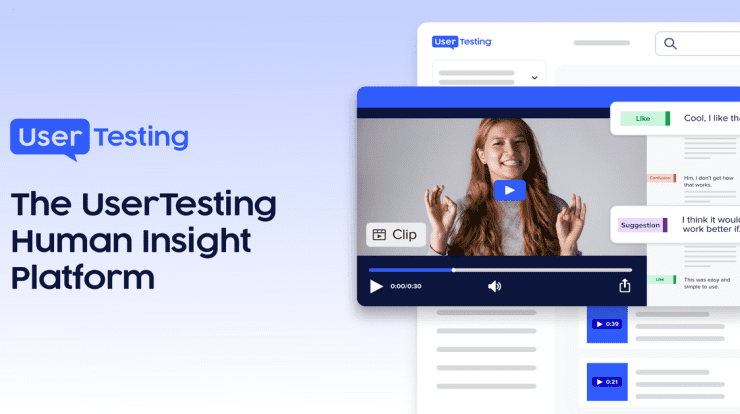
UserTesting Human Insight Platform | Customer Experience Insights
Every business that builds a website or app believes they understand their users. Teams spend months designing interfaces, optimizing flows, and refining features based on internal assumptions, analytics dashboards, and stakeholder opinions. Yet despite all that effort, users still abandon carts, get confused, or fail to complete basic tasks.
Why does this happen?
Because data alone doesn’t tell the full story.
Analytics can tell you what users are doing—but not why they’re doing it. Heatmaps can show where people click—but not what they’re thinking. Surveys can give you opinions—but often after the experience is already broken.
This is where platforms like UserTesting come in. They bridge the gap between raw data and human understanding by letting you observe real people interacting with your product in real time.
Instead of guessing how users behave, you can actually watch them, listen to them, and understand their thought process.
What Is UserTesting?
At its core, UserTesting is a user research platform designed to provide fast, real-world feedback on digital experiences like websites, apps, prototypes, and even marketing campaigns.
It allows businesses to:
- Recruit real users from target demographics
- Assign them specific tasks
- Record their screen, voice, and interactions
- Analyze their behavior and feedback
The result is a direct window into the user’s mind.
Instead of relying on assumptions, teams get access to video recordings of people navigating their product while speaking their thoughts aloud. (UserTesting)
This method—often called think-aloud testing—is incredibly powerful because it reveals:
- Confusion points
- Emotional reactions
- Decision-making processes
- Usability issues
And most importantly, it shows how an average person—not your internal team—actually uses your product.
How UserTesting Works
Understanding how UserTesting works is key to appreciating its value.
Step 1: Define Your Test
You begin by creating a test scenario. This includes:
- Tasks (e.g., “Find a product and add it to your cart”)
- Questions (e.g., “What do you think this page is about?”)
- Goals (e.g., testing navigation, clarity, or usability)
Step 2: Select Your Audience
One of the platform’s biggest strengths is its ability to target specific users. You can filter participants by:
- Age
- Location
- Profession
- Interests
- Purchasing behavior
UserTesting has a global network of millions of participants, ensuring you can find the right audience quickly. (UserTesting)
Step 3: Run the Test
Participants complete tasks while:
- Recording their screen
- Speaking their thoughts aloud
- Interacting naturally with your product
This creates a rich, qualitative dataset that goes far beyond numbers.
Step 4: Analyze Results
Once tests are complete, you receive:
- Video recordings
- Transcripts
- Behavioral insights
- Patterns and trends
AI-powered tools help identify themes and summarize findings, making it easier to extract actionable insights. (UserTesting)
Why Understanding the “Average User” Matters
One of the biggest mistakes companies make is designing for themselves.
Developers, designers, and product managers are not average users. They are deeply familiar with the product, understand its logic, and often overlook issues that new users face.
UserTesting solves this problem by exposing your product to:
- First-time users
- Non-technical users
- People with different expectations
This creates a more realistic view of how your product performs in the real world.
The Curse of Knowledge
When you know how something works, it’s hard to imagine not knowing it. This is called the curse of knowledge.
UserTesting breaks this bias by showing you:
- Where users hesitate
- Where they misunderstand
- Where they get stuck
These insights are invaluable for improving usability.
The Role of UserTesting in User Experience (UX)
User experience (UX) is about how a person feels when interacting with your product.
A great UX is:
- Intuitive
- Efficient
- Enjoyable
- Frictionless
UserTesting directly contributes to all of these by uncovering hidden issues that traditional tools miss.
Identifying Pain Points
One of the most immediate benefits is the ability to spot friction.
For example, you might discover:
- Users can’t find your navigation menu
- Your checkout process is confusing
- Your messaging is unclear
UserTesting helps identify these issues early so they can be fixed before they impact conversions. (UserTesting)
Validating Design Decisions
Instead of debating internally, teams can test ideas with real users.
This allows you to:
- Compare multiple designs
- Validate assumptions
- Reduce guesswork
Improving Accessibility
UserTesting can also help ensure your product is usable for people with:
- Disabilities
- Different devices
- Varying levels of tech literacy
This leads to more inclusive and effective design.
Key Advantages of UserTesting
1. Real Human Insight
Unlike analytics tools, UserTesting provides human context.
You don’t just see what users do—you understand:
- Why they do it
- What they expect
- How they feel
This emotional layer is critical for building products that resonate.
2. Faster Feedback Loops
Traditional research can take weeks or months.
With UserTesting, feedback can be gathered in hours.
This speed enables:
- Rapid iteration
- Agile development
- Continuous improvement
3. Reduced Development Costs
Fixing issues after launch is expensive.
UserTesting allows you to:
- Catch problems early
- Avoid costly redesigns
- Validate ideas before investing heavily
Studies show that early testing significantly reduces rework and accelerates development cycles. (UserTesting)
4. Better Decision-Making
Instead of relying on opinions, teams can make decisions based on real user behavior.
This leads to:
- More confident product choices
- Alignment across teams
- Data-backed strategies
5. Improved Conversion Rates
By optimizing user experience, businesses can:
- Increase sign-ups
- Boost sales
- Reduce abandonment
Understanding user behavior directly impacts revenue.
UserTesting Across the Product Lifecycle
One of the most powerful aspects of UserTesting is that it can be used at every stage of development.
1. Idea Stage
Before building anything, you can test:
- Concepts
- Messaging
- Value propositions
This ensures you’re solving the right problem.
2. Design Stage
During design, you can test:
- Wireframes
- Prototypes
- Navigation structures
This helps refine the experience before development begins.
3. Development Stage
While building your product, you can:
- Test features
- Identify bugs
- Validate workflows
4. Post-Launch Stage
After launch, UserTesting helps you:
- Monitor performance
- Identify new issues
- Continuously improve
This creates a cycle of ongoing optimization.
UserTesting vs Traditional Analytics Tools
It’s important to understand how UserTesting differs from tools like:
- Google Analytics
- Heatmaps
- A/B testing platforms
Analytics Tools Tell You “What”
- Page views
- Bounce rates
- Click paths
UserTesting Tells You “Why”
- User thoughts
- Emotional reactions
- Decision-making processes
Both are important, but UserTesting fills the critical gap.
Real-World Use Cases
E-commerce Optimization
Retailers use UserTesting to:
- Improve product pages
- Streamline checkout
- Reduce cart abandonment
Understanding shopper behavior can significantly increase revenue.
SaaS Product Development
Software companies use it to:
- Test onboarding flows
- Improve feature adoption
- Reduce churn
Marketing Campaign Testing
Marketers use UserTesting to:
- Evaluate messaging
- Test ad creatives
- Understand brand perception
Mobile App Testing
Mobile experiences are often more complex due to:
- Smaller screens
- Touch interactions
- Device variability
UserTesting helps ensure apps work seamlessly across devices.
The Power of Watching Real Users
There’s something uniquely powerful about watching a real person struggle with your product.
It creates:
- Empathy
- Urgency
- Clarity
Instead of abstract metrics, you see:
- Confusion on their face
- Hesitation in their voice
- Frustration in real time
This human element drives better decision-making.
AI and the Future of User Testing
UserTesting is also evolving with AI.
Modern features include:
- Automated insight generation
- Pattern recognition
- Sentiment analysis
These tools help teams process large volumes of data quickly and efficiently. (UserTesting)
Challenges and Considerations
While UserTesting is powerful, it’s not without challenges.
Cost
High-quality user research platforms can be expensive, especially for startups.
Interpretation
Insights require careful analysis. Misinterpreting user behavior can lead to wrong conclusions.
Sample Bias
Choosing the wrong audience can skew results.
However, these challenges are manageable with proper planning.
Why Every Business Should Use UserTesting
In today’s competitive landscape, user experience is a key differentiator.
Companies that invest in UX:
- Retain more customers
- Build stronger brands
- Generate higher revenue
UserTesting provides a direct path to achieving these outcomes.
Conclusion: Building Products People Actually Want
At the end of the day, success comes down to one thing:
Understanding your users.
UserTesting makes this possible by turning abstract data into real human insight.
It allows you to:
- See your product through your users’ eyes
- Hear their thoughts in real time
- Identify issues before they become problems
In a world where user expectations are higher than ever, this level of understanding is not just valuable—it’s essential.
If you want to build products that people love, trust, and continue to use, then investing in user experience—and tools like UserTesting—is one of the smartest decisions you can make

With 23+ years in the Web Hosting Industry, Brian has had the opportunity to design websites for some of the largest companies in the industry. Brian currently holds the position as Co-Founder and Creative Director at WebHosting,coop Internet Cooperative