
In the early stages of building a website, shared hosting is often the perfect starting point. It’s affordable, easy to use, and requires little technical expertise. For bloggers, small business owners, and startups testing the waters, shared hosting offers a low-risk way to get online quickly. However, as your website grows—whether in traffic, complexity, or importance—there comes a point when shared hosting starts to feel limiting rather than enabling.
Recognizing the right time to move from shared hosting to a cloud or dedicated hosting solution is critical. Upgrade too early, and you may overspend unnecessarily. Upgrade too late, and your website could suffer from slow performance, downtime, or even lost revenue. This guide explores the clear signs that indicate it’s time to move on and what you should consider when making that transition.
Understanding Shared Hosting Limitations
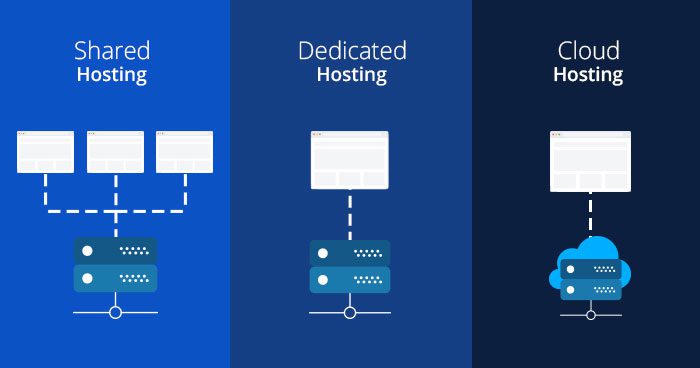
Shared hosting works by placing multiple websites on a single server, all sharing the same resources such as CPU, RAM, and bandwidth. While hosting providers try to balance resource usage across accounts, there is always the risk that one high-traffic site can affect others on the same server.
This environment is ideal for small websites with moderate traffic and minimal technical requirements. But it comes with inherent constraints. You have limited control over server configurations, restricted access to advanced features, and performance that can fluctuate depending on what other users are doing.
At some point, these limitations become bottlenecks rather than conveniences.
The First Major Sign: Consistent Performance Issues
One of the earliest indicators that you’ve outgrown shared hosting is a noticeable decline in website performance. Pages begin to load slower, especially during peak traffic hours. Visitors may experience lag, timeouts, or intermittent errors.
Performance issues often stem from resource contention. Since you’re sharing the server with other websites, spikes in their traffic can impact your site. Even if your own traffic is stable, you’re still vulnerable to the “noisy neighbor” effect.
If you’ve already optimized your website—compressed images, enabled caching, minimized scripts—and performance is still lagging, the problem likely lies with your hosting environment rather than your site itself.
Traffic Growth Is Outpacing Your Plan
Growth is a good problem to have, but it requires infrastructure that can keep up. Shared hosting plans typically come with soft limits on traffic and resource usage. While providers may advertise “unlimited bandwidth,” there are always usage thresholds that can trigger throttling or temporary suspension.
If your website is experiencing steady growth in visitors, especially into the thousands per day, shared hosting may struggle to keep up. Traffic spikes—such as during promotions, product launches, or viral moments—can overwhelm your server allocation and cause your site to crash.
Cloud hosting, in particular, excels in handling variable traffic because it allows for scalable resources. Dedicated servers, on the other hand, provide consistent performance for high-traffic, stable workloads.
Frequent Downtime or Server Errors
Reliability is non-negotiable for any serious website. If you’re encountering frequent downtime, “503 Service Unavailable” errors, or unexplained outages, it’s a strong signal that your hosting environment is no longer sufficient.
Shared hosting providers aim for uptime guarantees, but the reality is that shared environments are more prone to instability due to the number of accounts they manage on a single server.
Downtime doesn’t just affect user experience—it can hurt your search engine rankings, reduce customer trust, and directly impact revenue. If uptime is becoming unpredictable, it’s time to consider a more robust hosting solution.
You Need More Control Over Your Server
As your website or application becomes more sophisticated, you may find yourself needing greater control over server configurations. Shared hosting environments are intentionally restrictive to maintain stability across users.
You might want to install custom software, configure specific server settings, or run applications that require root access. These capabilities are typically not available in shared hosting.
A dedicated server provides full control over the hardware and software environment, while cloud hosting often offers flexible configurations with scalable resources. If your technical requirements are growing, shared hosting will quickly feel limiting.
Security Concerns Are Increasing
Security is another major factor that drives the transition away from shared hosting. While reputable hosting providers implement security measures, shared environments inherently carry more risk because multiple users are operating on the same server.
If one website on the server is compromised, it can potentially affect others. Additionally, shared hosting often lacks advanced security features such as custom firewalls, intrusion detection systems, and dedicated monitoring.
If you’re handling sensitive customer data, processing payments, or running an e-commerce platform, upgrading to a more secure hosting environment becomes essential. Dedicated and cloud hosting solutions offer stronger isolation, better security controls, and more advanced protection mechanisms.
Your Website Has Become Business-Critical
In the beginning, your website might have been a side project or a simple online presence. But over time, it may evolve into a core part of your business—generating leads, processing sales, or serving as your primary customer interface.
When your website becomes business-critical, the stakes change. Performance, uptime, and security are no longer optional—they’re essential.
Shared hosting is not designed for mission-critical applications. If your business depends on your website’s reliability, it’s time to invest in infrastructure that can support that level of importance.
You’re Experiencing Resource Limit Warnings
Most shared hosting providers monitor resource usage and will notify you if your account exceeds certain thresholds. These warnings might relate to CPU usage, memory consumption, or concurrent connections.
Repeated warnings are a clear sign that your website is pushing the limits of what shared hosting can handle. Ignoring these warnings can lead to throttling, temporary suspension, or forced upgrades.
Rather than waiting for your provider to intervene, it’s better to proactively transition to a hosting solution that can accommodate your needs.
E-Commerce and High-Transaction Workloads
Running an e-commerce website introduces additional demands on your hosting environment. Shopping carts, payment processing, inventory management, and user accounts all require more resources and stronger security.
During high-traffic periods—such as holiday sales or special promotions—your server must handle multiple simultaneous transactions without slowing down or failing.
Shared hosting environments are rarely equipped to handle these workloads efficiently. Cloud hosting offers scalability for fluctuating demand, while dedicated servers provide consistent performance for high-volume operations.
Development and Staging Needs Are Expanding
As your website grows, so does the complexity of maintaining and updating it. You may need staging environments to test changes before deploying them live, version control systems, or continuous integration workflows.
Shared hosting typically lacks the flexibility to support these advanced development practices. Cloud and dedicated hosting environments allow you to create multiple environments, automate deployments, and manage your infrastructure more effectively.
If your workflow is becoming more sophisticated, your hosting should evolve alongside it.
Comparing Your Upgrade Options
Once you’ve determined that it’s time to move beyond shared hosting, the next step is choosing between cloud hosting and dedicated servers.
Cloud hosting provides flexibility and scalability. Resources can be adjusted on demand, making it ideal for websites with fluctuating traffic. You pay for what you use, and the infrastructure is designed to handle spikes without downtime.
Dedicated servers offer maximum performance and control. You have an entire physical server to yourself, which ensures consistent resource availability. This option is best for high-traffic websites, large applications, or businesses with specific compliance requirements.
In some cases, a hybrid approach may be appropriate—using cloud infrastructure with dedicated resources.
Cost Considerations: Investment vs. Expense
Upgrading from shared hosting will increase your hosting costs, but it’s important to view this as an investment rather than an expense.
If your website is generating revenue, supporting customers, or representing your brand, the cost of poor performance or downtime can far exceed the price of better hosting.
Cloud hosting allows for more granular cost control, while dedicated servers involve a higher fixed cost but deliver consistent performance. The right choice depends on your traffic patterns, technical needs, and budget.
Planning a Smooth Transition
Migrating from shared hosting to a new environment requires careful planning to avoid downtime or data loss. Start by choosing a provider that offers migration assistance or tools to simplify the process.
Create a full backup of your website, including files, databases, and configurations. Set up your new environment and test everything thoroughly before switching your DNS.
To minimize downtime, you can lower your DNS TTL (time-to-live) in advance and synchronize your data between servers during the transition.
A well-planned migration ensures a seamless experience for your users.
Avoiding the “Too Late” Scenario
One of the most common mistakes is waiting too long to upgrade. Many website owners tolerate slow performance or occasional downtime until it becomes a serious problem.
By the time issues are noticeable to users, the damage may already be done—lost visitors, lower search rankings, and reduced trust.
It’s better to anticipate growth and upgrade proactively rather than reactively. Monitoring your website’s performance, traffic, and resource usage can help you make informed decisions before problems escalate.
Final Thoughts: Growth Demands Better Infrastructure
Shared hosting is an excellent starting point, but it’s not a permanent solution for growing websites. As your online presence expands, your hosting needs will evolve.
The key is recognizing the signs early—performance issues, traffic growth, security concerns, and increasing complexity—and taking action before they impact your users or your business.
Upgrading to cloud or dedicated hosting isn’t just about handling more traffic; it’s about unlocking new possibilities. With better performance, greater control, and improved reliability, you can focus on growing your website without being held back by your infrastructure.
In the end, the decision to switch hosting environments is less about leaving shared hosting behind and more about embracing the next stage of your website’s journey.

With 23+ years in the Web Hosting Industry, Brian has had the opportunity to design websites for some of the largest companies in the industry. Brian currently holds the position as Co-Founder and Creative Director at WebHosting,coop Internet Cooperative